Mobility vs Flexibility: What You Need to Know
Understand the difference and learn how to improve both for better training performance.
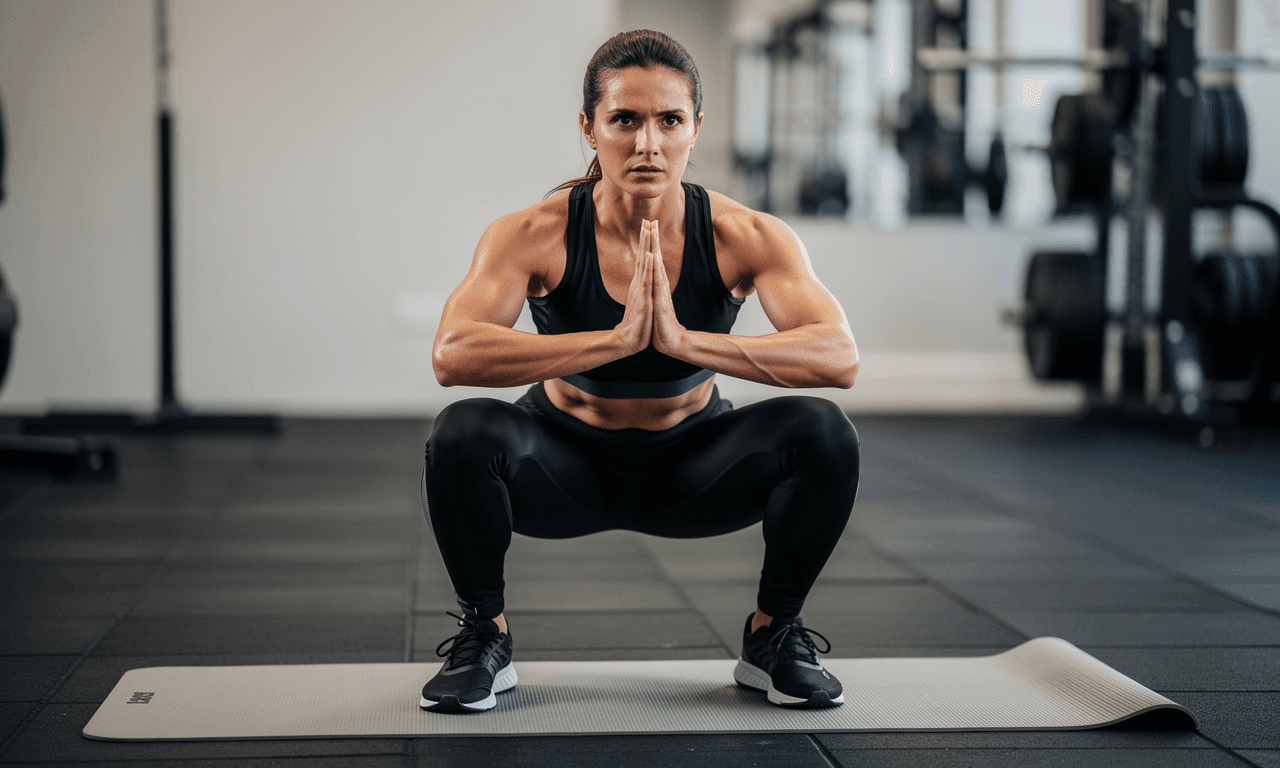
Mobility and flexibility are often used interchangeably, but they're different. Understanding both helps you move better and train more effectively.
Flexibility vs Mobility
Flexibility
Flexibility is the passive range of motion in a joint—how far a muscle can stretch when an external force is applied. Think touching your toes with help.
Mobility
Mobility is the active range of motion you can control under your own power. It combines flexibility with strength and motor control.
For training, mobility matters more than flexibility. You need to control range of motion under load, not just achieve it passively.
Why Mobility Matters
- •Better exercise technique and range of motion
- •Reduced injury risk
- •Improved muscle activation
- •Less compensation patterns
- •Better long-term joint health
Improving Mobility
Dynamic Stretching
Movement-based stretches that take joints through full ranges. Leg swings, hip circles, arm circles. Best before training.
Loaded Stretching
Using weights to stretch muscles while building strength in end ranges. Deep pause squats, Romanian deadlifts with a stretch emphasis.
Static Stretching
Holding a stretch for 20-60 seconds. Best after training or on separate days. Improves flexibility but not motor control.
Sample Mobility Routine
- •Hip 90/90 transitions: 10 per side
- •Deep squat hold: 2 min total
- •Wall slides: 2 x 10
- •Cat-cow: 2 x 10
- •Thread the needle: 5 per side
Frequently Asked Questions
How often should I work on mobility?
Daily is ideal, even if just 5-10 minutes. At minimum, dynamic mobility before every training session.
Will stretching make me weaker?
Static stretching immediately before lifting can temporarily reduce power. Dynamic stretching enhances performance.
Related Exercises
Ready to Apply This?
Create a free account to build workouts using these principles.
Create Free Account